Artist In Residence | Adam Leng

For this new chapter of Saira, we are honoured to welcome our latest Artist in Residence, Adam Leng.

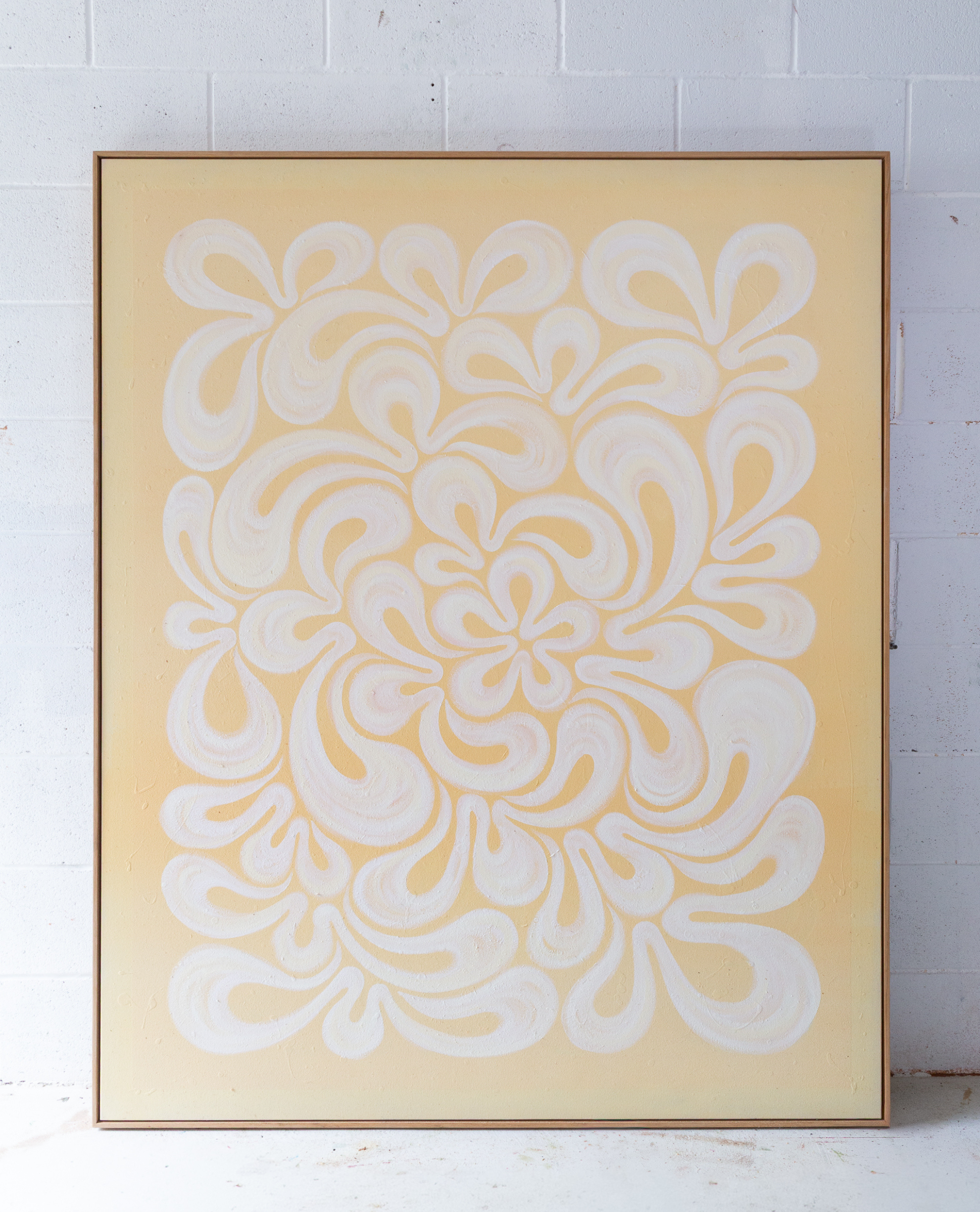
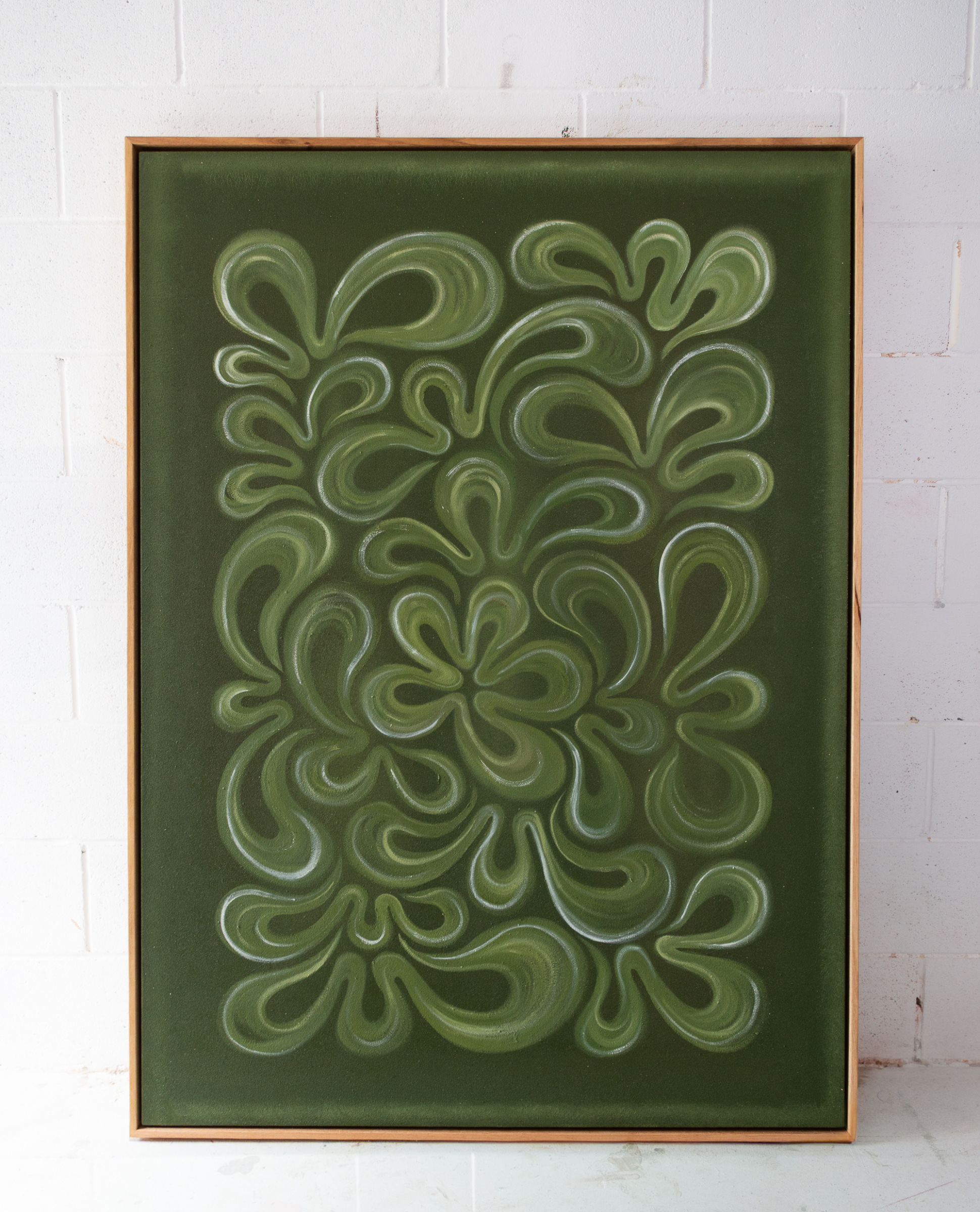
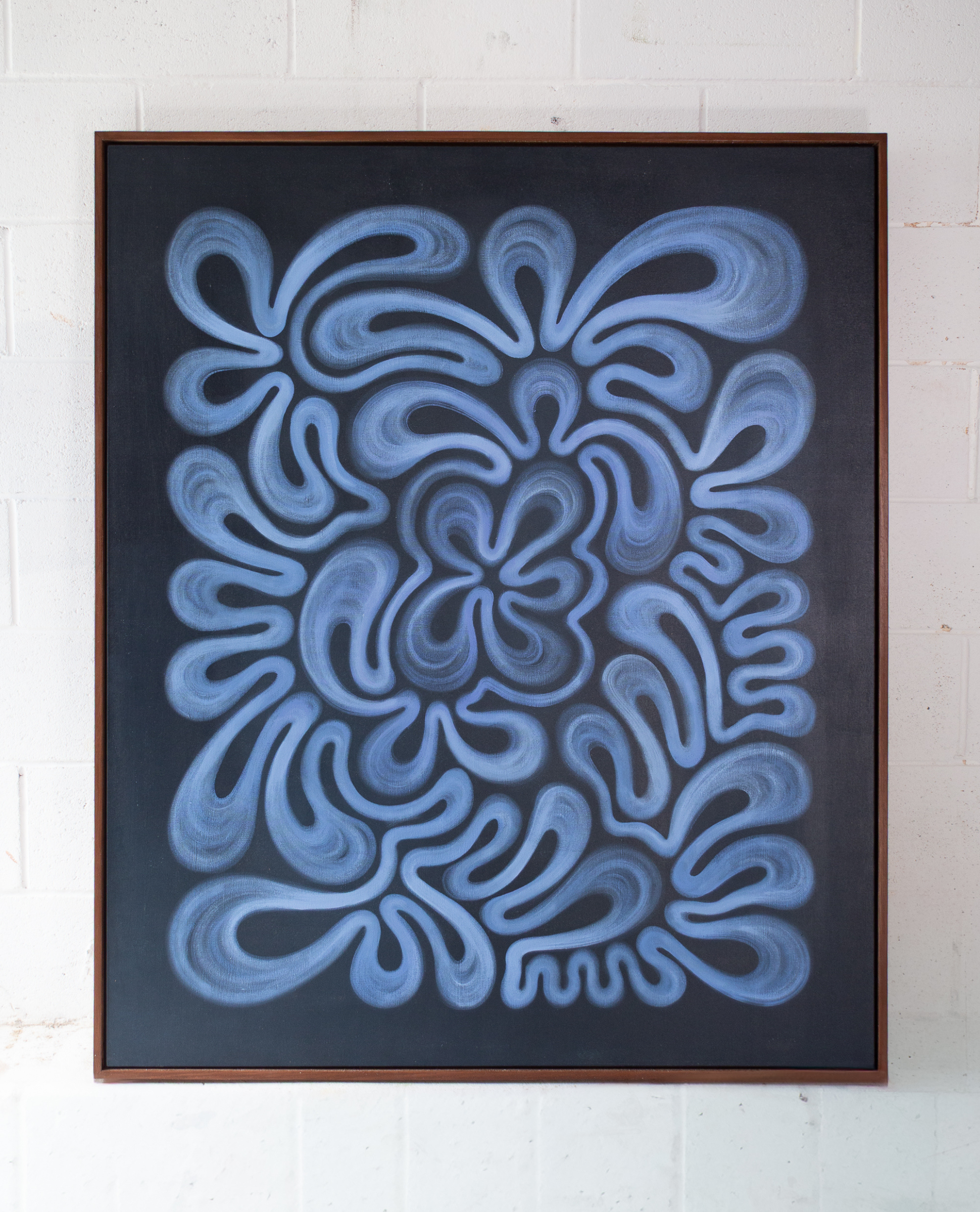
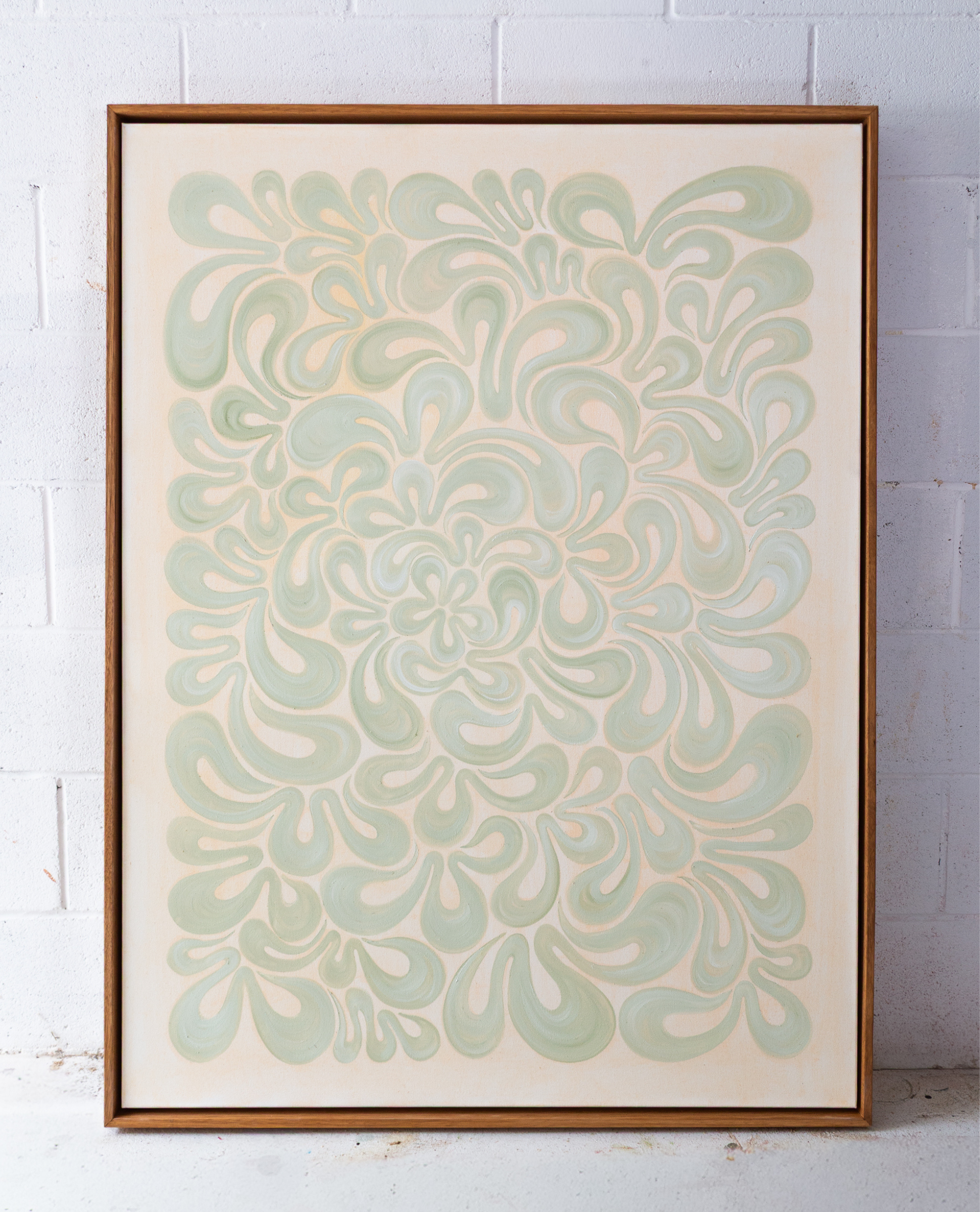
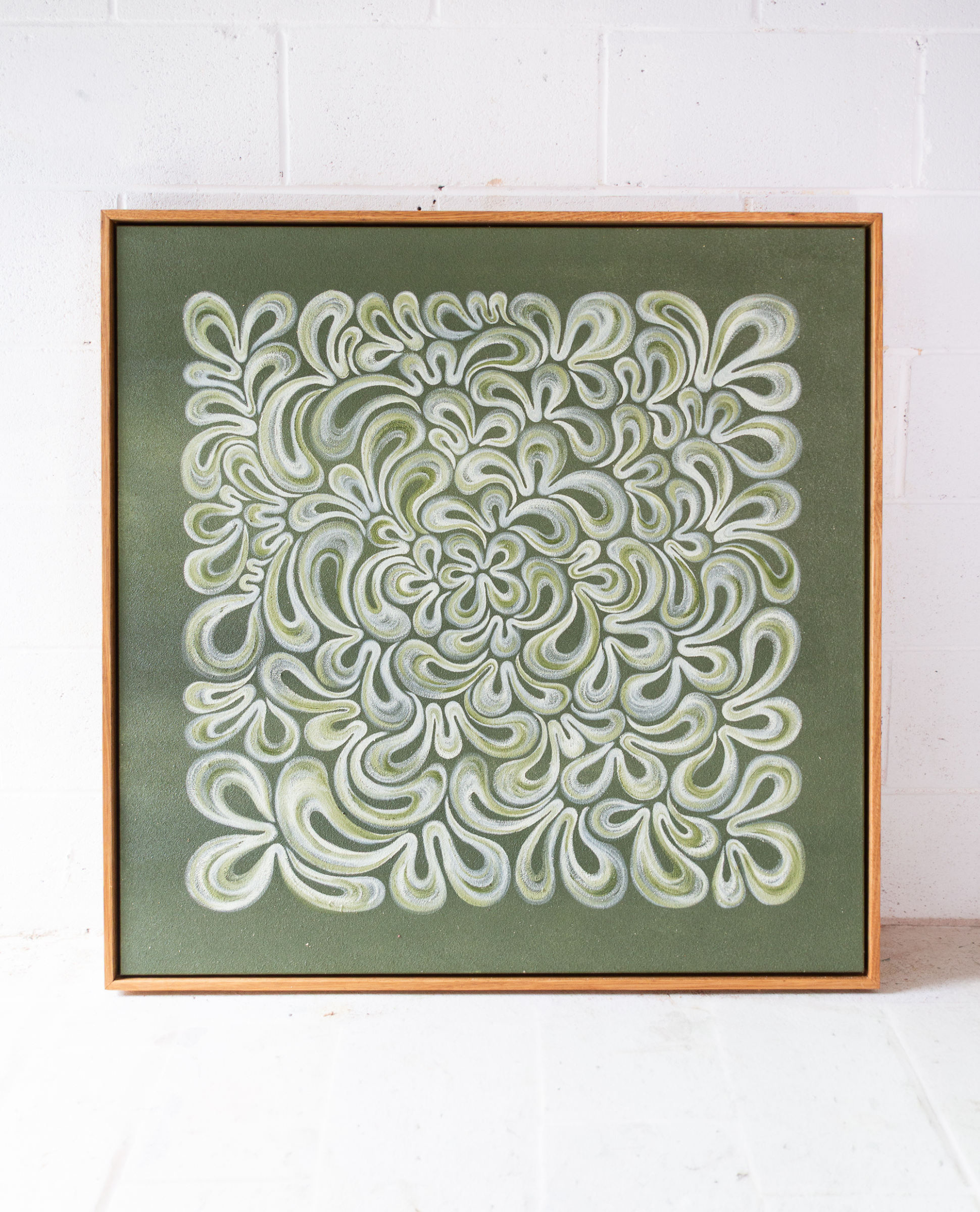
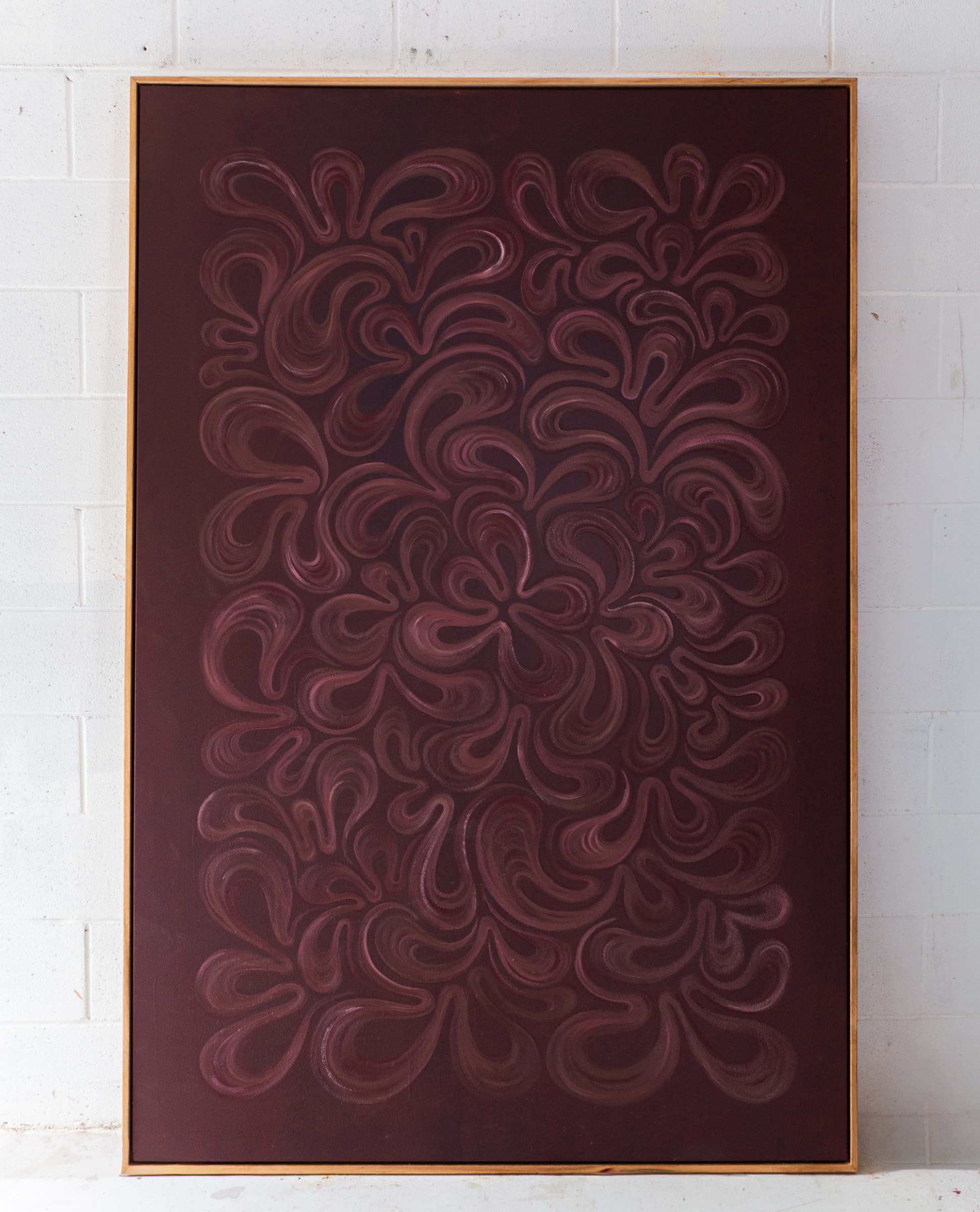
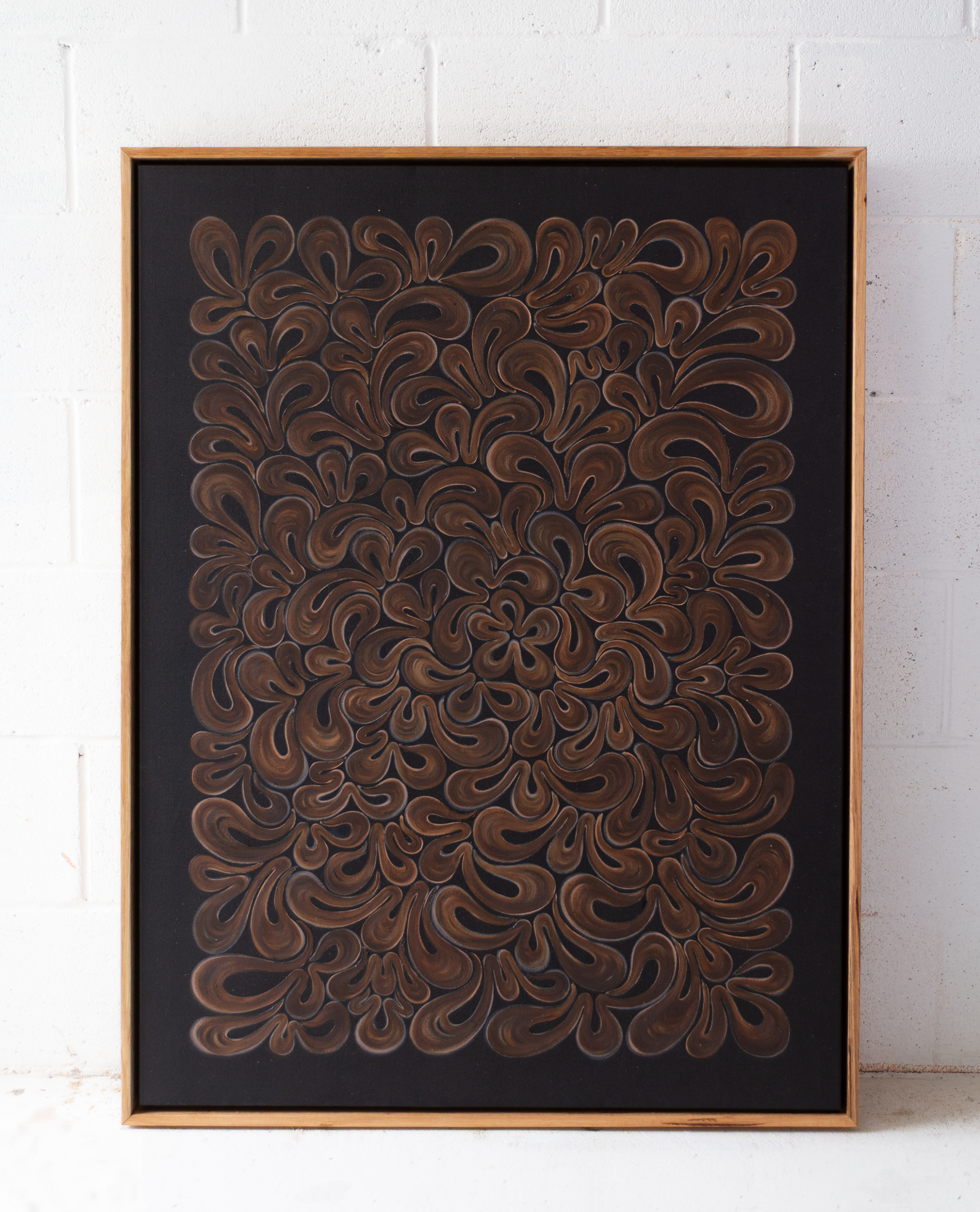
A proud First Nations artist born and raised on Yugambeh country, Leng’s practice sits at the intersection of creativity, culture and politics. Through hypnotic graphic patterns and earthy, natural palettes, his work traces personal histories and layered narratives, mapping the connections between past and present.

Guided by an intuitive and meditative process, Leng builds dynamic forms that unfold slowly across the surface. Each line contributing to a larger story of place, identity and reflection.

This approach resonates deeply with the spirit of Saira. Inspired by the balancing act many women experience between family, purpose and fulfilment, the collection reflects our shared search for stillness within movement. A reminder that when we trust our intuition, balance follows.

Join us as Adam shares more about his creative journey, the influences that shape his work, and the role intuition plays in both art and life.

What does painting offer you that nothing else can? In what ways does the act itself centre you?

Painting is one of the only places where I feel completely present. It pulls me out of the noise, deadlines, expectations, money and into something physical and immediate. There’s a rhythm to it. Mixing colour, repeating forms, building layers. It slows my thinking down. I’m not great at sitting still, but I can stand in front of a canvas for hours and feel calm. It gives me a way to process things without needing language. Sometimes I don’t even understand what I’m working through until later, but my body seems to. It centres me because it demands attention. And in giving it that attention, I get some peace back.

What does painting offer you that nothing else can? In what ways does the act itself centre you?

Painting is one of the only places where I feel completely present. It pulls me out of the noise, deadlines, expectations, money and into something physical and immediate. There’s a rhythm to it. Mixing colour, repeating forms, building layers. It slows my thinking down. I’m not great at sitting still, but I can stand in front of a canvas for hours and feel calm. It gives me a way to process things without needing language. Sometimes I don’t even understand what I’m working through until later, but my body seems to. It centres me because it demands attention. And in giving it that attention, I get some peace back.

Can you tell us more about the season you’re in, and how it has shaped this body of work?

I’m in a season of transition, creatively and personally. Watching my partner move through motherhood, being present with our family, and navigating the responsibility of family life, it’s all made me more reflective. There’s a softness that’s entered the work, but also a deeper grounding. I think I’m less interested in proving something now and more interested in meaning. In building something steady and honouring connection. The themes of reconnection and intention felt aligned with where I’m at, thinking about lineage, legacy, what we pass on, and how we show up in small, everyday ways.


How have the women in your life influenced the emotional undercurrent of your paintings?

Becoming more aware of the strength and complexity of the women around me has changed how I think about care, resilience, and quiet power. There’s a depth to motherhood, physical, emotional, ancestral, that I don’t think can be fully understood unless you witness it up close. That witnessing has softened me. It’s made me more patient. More attentive. I think that shows up in the pacing of the work, in the repetition, and in the way forms hold space for each other rather than compete. The emotional undercurrent is less about force and more about endurance.

Can you tell us more about the season you’re in, and how it has shaped this body of work?

I’m in a season of transition, creatively and personally. Watching my partner move through motherhood, being present with our family, and navigating the responsibility of family life, it’s all made me more reflective. There’s a softness that’s entered the work, but also a deeper grounding. I think I’m less interested in proving something now and more interested in meaning. In building something steady and honouring connection. The themes of reconnection and intention felt aligned with where I’m at, thinking about lineage, legacy, what we pass on, and how we show up in small, everyday ways.


How have the women in your life influenced the emotional undercurrent of your paintings?

Becoming more aware of the strength and complexity of the women around me has changed how I think about care, resilience, and quiet power. There’s a depth to motherhood, physical, emotional, ancestral, that I don’t think can be fully understood unless you witness it up close. That witnessing has softened me. It’s made me more patient. More attentive. I think that shows up in the pacing of the work, in the repetition, and in the way forms hold space for each other rather than compete. The emotional undercurrent is less about force and more about endurance.

What draws you to cyclical, meditative repetition in your work, and how do you know when a piece is finished?

Repetition feels grounding. It mirrors cycles in nature, in family, in culture. Nothing is linear. Things return. Patterns repeat, but they are never exactly the same. That slight variation inside repetition keeps it alive. As for when a piece is finished, it’s intuitive. There’s a moment where adding more would be noise rather than depth. When the tension feels balanced. When the painting feels like it’s breathing on its own. If I start touching it just to feel productive, that’s usually my cue to stop.


What guided your palette in this body of work?

I usually respond to a feeling first, warmth, stillness, friction, and then find the palette that carries that mood. In this body of work, I was drawn to softer, earth-based tones. Muted greens, warm neutrals, gentle yellows. Colours that feel lived in rather than loud. They reflect a quieter season, something steady and reflective rather than reactive.

What draws you to cyclical, meditative repetition in your work, and how do you know when a piece is finished?

Repetition feels grounding. It mirrors cycles in nature, in family, in culture. Nothing is linear. Things return. Patterns repeat, but they are never exactly the same. That slight variation inside repetition keeps it alive. As for when a piece is finished, it’s intuitive. There’s a moment where adding more would be noise rather than depth. When the tension feels balanced. When the painting feels like it’s breathing on its own. If I start touching it just to feel productive, that’s usually my cue to stop.


What guided your palette in this body of work?

I usually respond to a feeling first, warmth, stillness, friction, and then find the palette that carries that mood. In this body of work, I was drawn to softer, earth-based tones. Muted greens, warm neutrals, gentle yellows. Colours that feel lived in rather than loud. They reflect a quieter season, something steady and reflective rather than reactive.

What does living and creating with intention mean to you at this stage of life?

I think when I was younger, intention felt like something I had to declare, a concept, a statement, a position. Now it feels quieter. Living with intention means paying attention, to family, to community, to the energy I bring into a room, to why I’m making something. Sometimes I set it consciously. Other times I only recognise the intention after the work exists. It’s a mix of awareness and surrender.

When someone stands in front of your work, what do you hope they experience?

I hope they slow down. I hope they feel something familiar but can’t immediately name it. If the work can create a pause, even just a moment where someone feels grounded, reflective, or quietly connected to themselves, that’s enough. It’s not about giving answers. It’s about offering space.

What does living and creating with intention mean to you at this stage of life?

I think when I was younger, intention felt like something I had to declare, a concept, a statement, a position. Now it feels quieter. Living with intention means paying attention, to family, to community, to the energy I bring into a room, to why I’m making something. Sometimes I set it consciously. Other times I only recognise the intention after the work exists. It’s a mix of awareness and surrender.

When someone stands in front of your work, what do you hope they experience?

I hope they slow down. I hope they feel something familiar but can’t immediately name it. If the work can create a pause, even just a moment where someone feels grounded, reflective, or quietly connected to themselves, that’s enough. It’s not about giving answers. It’s about offering space.